Pothos Care Guide: How to Grow the Easiest Houseplant Alive
Everything you need to know about pothos care. Covers light, watering, soil, propagation, and common problems so your pothos stays lush and healthy.
Advertisement
If someone asked me to recommend just one houseplant for a total beginner, I’d say pothos every single time. This plant is ridiculously hard to kill, it looks gorgeous trailing from a shelf or hanging basket, and it grows fast enough that you actually feel like you’re doing something right. I’ve kept pothos in offices with barely any natural light, in bright kitchens, in bathrooms with no windows at all. They just keep going.
Whether you just picked up your first Golden Pothos from the grocery store or you’ve had one for years and want to take better care of it, this pothos care guide covers everything you need to know.
Why Pothos Is the Perfect Starter Plant
There’s a reason pothos shows up on every single best houseplants for beginners list. It checks all the boxes: low maintenance, adaptable to different light conditions, forgiving when you forget to water, and easy to propagate so you can fill your home with greenery for free.
Pothos (Epipremnum aureum) is a tropical vine native to Southeast Asia. In the wild, it climbs trees and can grow leaves the size of dinner plates. Indoors, it stays much smaller, but those trailing vines can still reach 10 feet or more if you let them. You can train them to climb a moss pole, drape them along a bookshelf, or keep them compact with regular trimming.
The other big selling point? Pothos actually helps clean indoor air. NASA’s famous clean air study included pothos on its list of plants that help filter common household toxins. Not a bad bonus for a plant that costs a few dollars at most stores.
One quick heads up, though: pothos is toxic to cats and dogs if ingested. It contains calcium oxalate crystals that can irritate the mouth, tongue, and throat. If you have curious pets, keep your pothos up high where they can’t reach it, or check out spider plant care instead, since spider plants are pet-safe.
Light Requirements
Pothos is famously tolerant of all sorts of light conditions, which is one of the reasons it thrives in offices and apartments. That said, the amount of light your pothos gets makes a noticeable difference in how it looks and grows.
Bright, indirect light is the sweet spot. This means near a window but not in the direct path of harsh afternoon sun. In this kind of light, your pothos will grow faster, produce bigger leaves, and maintain strong variegation patterns.
Low light is totally workable. Your pothos will survive in a dim corner or a room without much natural light. Growth will be slower, and here’s the thing to know: variegation fades in low light. If you have a Golden Pothos with those beautiful yellow streaks, the leaves will gradually turn solid green when they don’t get enough light. The plant is basically producing more chlorophyll to compensate. Move it to a brighter spot and new growth should show the variegation again.
Direct sunlight is the one thing to avoid. A couple hours of gentle morning sun is fine, but strong afternoon sun will scorch the leaves, leaving them with brown, crispy patches.
Watering
Getting the watering right is the single most important part of pothos care. The good news? These plants are pretty vocal about what they need, and they bounce back fast from mistakes.
The golden rule is simple: let the top inch of soil dry out between waterings. Stick your finger into the soil. If it feels dry an inch down, go ahead and water. If it still feels moist, check back in a couple of days.
During the warmer months when the plant is actively growing, that usually means watering every 7-10 days. In winter, growth slows way down and the plant uses less water, so you might only need to water every two weeks or even less.
When you do water, water thoroughly. Pour until you see water coming out of the drainage holes at the bottom. This makes sure the entire root system gets a drink, not just the top layer.
Signs you’re getting it wrong:
- Wilting or droopy leaves usually mean underwatering. Give it a good drink and it should perk up within hours. If drooping keeps happening, check out our full guide on why your pothos is drooping.
- Yellow leaves often signal overwatering. If the soil feels soggy and the leaves are turning yellow, you’re watering too frequently. Let it dry out more between waterings.
- Mushy stems or a funky smell from the soil could mean root rot, which happens when roots sit in waterlogged soil for too long.
If you’re not sure whether your plant needs water, wait a day. Pothos handles a bit of drought much better than soggy roots. For a deeper dive into reading the signs, take a look at our overwatering vs underwatering guide.
Soil and Potting
Pothos are not fussy about soil, but they do need one thing: good drainage. Roots that sit in heavy, waterlogged soil will rot, and that’s one problem that’s genuinely hard to come back from.
A standard indoor potting mix works fine as a base. I like to mix in about 20-30% perlite to improve drainage and keep the soil light and airy. You can also add a bit of orchid bark if you have it on hand. The goal is a mix that holds some moisture but lets excess water flow through freely.
Pot selection matters too:
- Always use a pot with drainage holes. I can’t stress this enough. No matter how careful you are with watering, a pot without drainage is an invitation for root rot.
- Terra cotta pots are a great choice because they’re porous and help wick away excess moisture. Plastic nursery pots work perfectly fine too.
- Size: When it’s time to repot, go up only one size (1-2 inches larger in diameter). A pot that’s too big holds more soil and more moisture than the roots can use, which leads to soggy conditions.
Pothos don’t need frequent repotting. Every 1-2 years is typical, or when you notice roots circling the bottom of the pot or poking out of the drainage holes.
Propagation
If there’s one thing pothos is famous for (besides being unkillable), it’s how easy they are to propagate. Water propagation is so simple that it’s a great project for kids or anyone who wants more plants without spending money.
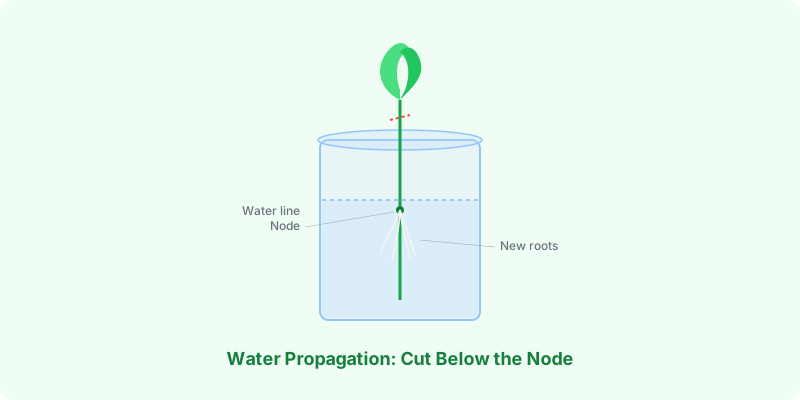
Here’s how to do it:
- Find a node. Look along the vine for small brown bumps or nubs on the stem, usually right below where a leaf connects. That’s a node, and it’s where new roots will grow from.
- Make your cut. Using clean scissors or pruning shears, cut the vine about half an inch below the node. Each cutting should have at least one leaf and one node.
- Place in water. Put the cutting in a glass or jar of water, making sure the node is submerged but the leaf stays above water. A clear container is nice because you can watch the roots develop.
- Wait. Change the water every few days to keep it fresh. You should see little white roots starting to emerge within a week or two.
- Plant it. Once the roots are about 1-2 inches long, you can transfer the cutting to soil. Water it well after planting and keep the soil slightly moist for the first week as it adjusts.
You can also root cuttings directly in moist soil if you prefer. Just stick the cut end (with the node) into the soil, keep it lightly moist, and be patient. It takes a bit longer than the water method, but the transition is smoother since the roots develop in soil from the start.
Pro tip: take multiple cuttings from the same vine and plant them together in one pot. This gives you a much fuller, bushier plant from the start.
Common Varieties
Pothos comes in a surprising number of varieties, and collecting them can become addictive fast. Here are the ones you’re most likely to find.
Golden Pothos is the classic. Heart-shaped green leaves with irregular yellow and gold splashes. This is the one you’ll see in every garden center and big box store, and for good reason. It’s the toughest and most adaptable of the bunch.
Marble Queen has stunning white and green marbled foliage. It’s a bit slower growing than Golden because the white areas don’t photosynthesize, so it needs a bit more light to stay vibrant.
Neon Pothos is instantly recognizable with its bright, almost electric chartreuse-green leaves. No variegation here, just pure, vivid lime green. It really pops against darker furniture or shelves.
Manjula Pothos features wide, wavy leaves with patches of white, cream, silver, and green. Each leaf is unique, which makes it feel a little more special. It tends to grow slower and a bit more compact than Golden.
N’Joy Pothos has smaller leaves with distinct green and white sections. The variegation is more defined and blocky compared to the marbled look of Marble Queen. It stays relatively compact, making it a good choice for smaller spaces.
All varieties need roughly the same care, but keep in mind that the more heavily variegated types (Marble Queen, Manjula, N’Joy) need brighter light to maintain their patterns. In low light, they’ll push out more green leaves to capture enough energy.
Common Problems and Fixes
Pothos are tough plants, but they still run into issues from time to time. Here’s how to diagnose and fix the most common ones.
Drooping Leaves
This is usually a watering issue. If the soil is dry, your pothos is thirsty and needs a drink. If the soil is wet and the plant is still drooping, you may be overwatering. We’ve got a full breakdown in our pothos drooping guide with step-by-step fixes for every scenario.
Yellow Leaves
The occasional yellow leaf at the base of the plant is normal, especially on older growth. But if multiple leaves are yellowing at once, overwatering is the most likely cause. Check the soil moisture, cut back on watering frequency, and make sure the pot has proper drainage. If the roots look brown and mushy, you could be dealing with root rot.
Brown Leaf Tips
Brown, crispy tips usually come from one of two things. Low humidity is the first culprit, especially in winter when indoor air gets dry from heating systems. Grouping your plants together or using a pebble tray can help. The second common cause is chemicals in tap water, particularly fluoride and chlorine. Try switching to filtered water or letting your tap water sit out overnight before using it.
Leggy Growth
If your pothos has long stretches of bare vine between leaves, it’s reaching for more light. The fix is straightforward: move it to a brighter location. You can also trim the leggy vines and propagate the cuttings to fill out the plant. Pruning actually encourages bushier growth from the base, so don’t be shy about giving your pothos a haircut.
Quick Care Cheat Sheet
| Need | Recommendation |
|---|---|
| Light | Bright indirect (tolerates low light) |
| Water | When top inch of soil is dry (every 7-10 days in summer) |
| Soil | Well-draining potting mix with perlite |
| Temperature | 65-85°F (18-29°C) |
| Humidity | Normal household levels, higher is better |
| Fertilizer | Monthly in spring/summer, half-strength balanced |
| Repotting | Every 1-2 years or when root-bound |
| Propagation | Stem cuttings in water or soil |
| Toxicity | Toxic to cats and dogs |
Final Thoughts
Pothos really is the plant that anyone can grow. It handles neglect, adapts to less-than-ideal conditions, and rewards you with lush, trailing vines that make any room feel more alive. If yours isn’t looking its best right now, start with the basics. Check your watering, make sure it’s getting decent light, and ensure the pot has drainage. More often than not, a small adjustment is all it takes.
And once your pothos is thriving, take a few cuttings and share them with friends. That’s honestly one of the best parts of this hobby. If you’re looking for more easy-care plants to add to your collection, check out our spider plant care guide or browse our full list of best houseplants for beginners.
Happy growing.
Advertisement